 BTC
 ETH
 SOL
 XRP
 BNB
 TON
 DOT
 LTC
 POL
 HBAR
 NEAR
 ARB
 UNI

AI may deepen the illusion of knowledge, Hawking warning suggests
A Bitcoin.com News piece links Stephen Hawking's warning about the illusion of knowledge to Yale research on overconfidence and the rise of generative AI tools.
Why it matters: The article argues that mistaking AI-assisted retrieval for real understanding shapes how founders pitch, how investors assess risk and how people judge their own grasp of the technology.

Key points
- Yale psychologists Leonid Rozenblit and Frank Keil published the 2002 study in Cognitive Science on the illusion of explanatory depth.
- The article says fluent chatbot answers can make users feel they possess understanding they could not reproduce unaided.
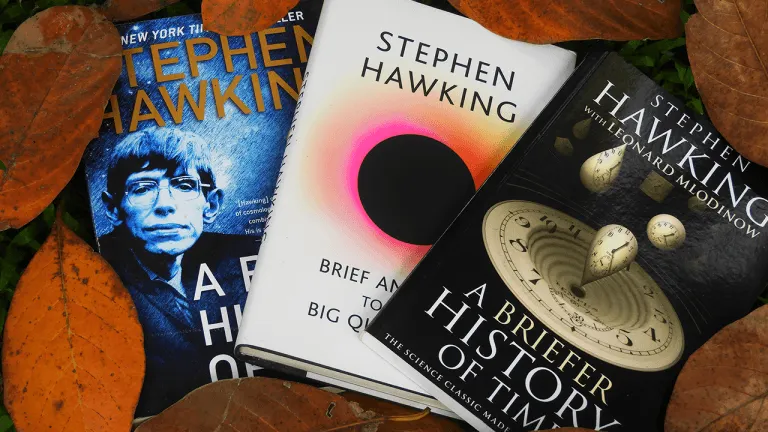
The illusion of knowledge is an old warning that generative AI may be making harder to resist, according to Bitcoin.com News. The outlet cites a line often associated with Stephen Hawking, that the greatest enemy of knowledge is not ignorance but the illusion of knowledge, and notes the phrasing is widely traced to the American historian Daniel Boorstin.
The article points to Yale research as the clearest demonstration of the problem. Confidence fell sharply once they had to set out the chain of cause and effect, a gap the researchers called the illusion of explanatory depth.
That effect was strongest for mechanisms, such as how a zipper works, and weaker for raw facts or storytelling, the outlet reports. It also maps onto the Dunning-Kruger effect, where people with less expertise overestimate what they know.
Generative AI may add to this, the article says, because a fluent chatbot explanation can feel like personal understanding even when the user could not reproduce it without the tool. The remedy researchers suggest is to try explaining something end to end out loud, so the missing steps become visible before confidence hardens.
Live updates on NewsFeeds:AIFrom our AI Hub: Is ChatGPT, Claude or Gemini down?, AI API prices, new AI modelsDesk editor: Keshav Aggarwal (accountable for this page; this summary was not edited by hand)
How this was produced: an AI model wrote this summary of Bitcoin.com News’s report, which we credit and link above. Read our Editorial and AI policy. Spotted a mistake? See Corrections.
Not investment advice. Read the risk disclaimer.