 BTC
 ETH
 SOL
 XRP
 BNB
 TON
 DOT
 LTC
 POL
 HBAR
 NEAR
 ARB
 UNI

WhiteBIT founder says regulatory quality now decides where crypto business goes
Volodymyr Nosov, founder of WhiteBIT Group, weighs the EU's MiCA passport, US legal uncertainty and Asia's competing hubs, arguing the race is now about regulatory quality rather than the lightest rules.
Why it matters: The piece sets out how licensing costs, passporting and pending US legislation shape where crypto firms can base operations and reach customers.

Key points
- MiCA lets a firm licensed in one EU country serve all 27 member states, but compliance costs are high
- The CLARITY Act has sat in the Senate for almost six months, with industry lobbying past $225m, per the Financial Times
- Singapore taxes firms at 17%, while Hong Kong's first HK$2m of profits are taxed at 8.25%
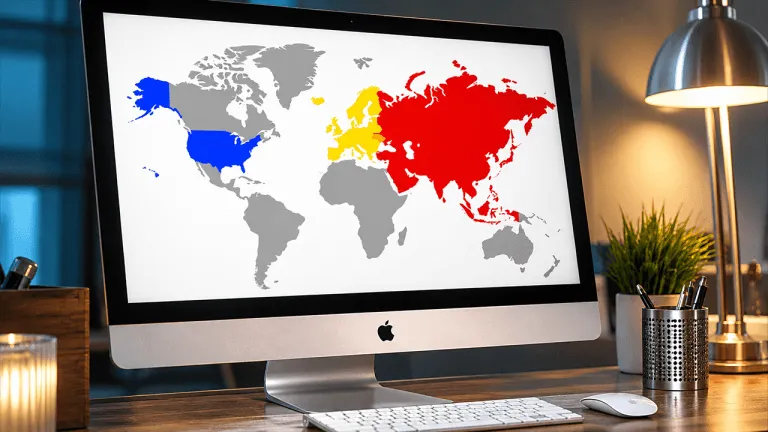
Volodymyr Nosov, founder and president of WhiteBIT Group, argues in a Bitcoin.com News opinion piece that regulatory quality now decides where crypto business goes. He compares the EU, the US, and hubs in Asia and the Middle East, and says the search for the most lenient rules is over.
Europe moved first by folding fragmented national rules into MiCA, which lets a company licensed in one member state serve all 27. Nosov, whose platform has been through the process, says the compliance burden is heavy and favours larger firms. He also flags forum shopping between national supervisors, which Brussels is discussing by weighing a bigger direct role for ESMA.
US and Asian hubs
The US offers the deepest capital markets but still lacks a single framework, leaving firms to juggle federal anti-money laundering rules, state money transmitter licences, SEC and CFTC requirements. The CLARITY Act has been in the Senate for almost six months, with a final vote postponed again; the Financial Times puts industry lobbying at more than $225m. The GENIUS Act on stablecoins passed last year.
Asia has no single regime. Singapore's MAS runs a strict system for digital payment tokens with a 17% corporate tax, Hong Kong is rebuilding through the SFC's licensing regime and new stablecoin legislation, and Dubai's VARA tailors rules to each activity. Nosov says these hubs move faster but remain separate islands, so scaling across Asia means collecting local licences.
What to watch: A final Senate vote on the CLARITY Act is still awaited after being postponed again.
Live updates on NewsFeeds:RegulationDesk editor: Keshav Aggarwal (accountable for this page; this summary was not edited by hand)
How this was produced: an AI model wrote this summary of Bitcoin.com News’s report, which we credit and link above. Read our Editorial and AI policy. Spotted a mistake? See Corrections.
Not investment advice. Read the risk disclaimer.