 BTC
 ETH
 SOL
 XRP
 BNB
 DOGE
 ADA
 AVAX
 LINK
 TON
 DOT
 LTC
 TRX
 POL
 USDT
 USDC
 SUI
 HBAR
 SHIB
 BCH
 XLM
 NEAR
 APT
 ARB
South Korea's FSC proposes ending nine-year ban on initial coin offerings
South Korea's Financial Services Commission has unveiled draft legislation to allow domestic token sales for the first time since September 2017, with disclosure rules and liability for issuers. The draft needs National Assembly approval.

Key points
- The FSC published draft legislation on 24 November 2026 as part of a wider Digital Asset Act, reversing a ban in place since September 2017.
- Issuers would file a white paper and condensed prospectus with the FSC, and face civil liability, fines or prosecution for misleading statements.
- The draft also proposes bank-majority ownership of won stablecoin issuers and a 20% cap on major exchange shareholders, with exceptions up to 34%.
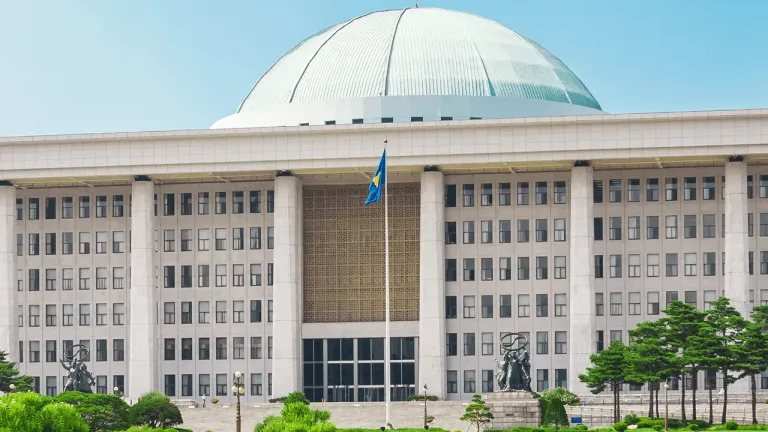
South Korea's Financial Services Commission has proposed lifting the country's ban on initial coin offerings, set out in draft legislation published on 24 November 2026. The measure would let domestic cryptocurrency issuance and sales resume for the first time since September 2017 and forms part of a broader Digital Asset Act. The draft still needs approval from the National Assembly.
Under the plan, token issuers would submit a white paper to the FSC covering the parties behind the sale, how proceeds are used, token supply, project details and investment risks. A shorter prospectus would give investors the essentials. Regulators could order corrections, and misleading statements or material omissions could bring civil liability, financial penalties or criminal prosecution. Exchanges would face ongoing disclosure duties on significant developments affecting listed assets.
Disclosure and ownership rules
The proposal also covers stablecoins and exchange ownership. Won-denominated stablecoin issuers would need bank-majority ownership, and major exchange shareholders would generally be limited to 20%, with exceptions allowing stakes of up to 34%.
South Korea banned initial coin offerings in 2017 over concerns about speculation and fraudulent fundraising, but Korean projects moved offshore, often to Singapore and Hong Kong, and listed tokens at home later. The government now wants to keep that activity, capital and talent in the country. The move comes as global token fundraising has shrunk sharply, with Cryptorank data showing a fall from $849m in the first quarter of 2025 to an estimated $40m in the second quarter of 2026.
What to watch: The draft legislation requires approval from South Korea's National Assembly before it can take effect.
Live updates on NewsFeeds:RegulationDesk editor: Keshav Aggarwal (accountable for this page; this summary was not edited by hand)
How this was produced: an AI model wrote this summary of Bitcoin.com News’s report, which we credit and link above. Read our Editorial and AI policy. Spotted a mistake? See Corrections.
Not investment advice. Read the risk disclaimer.