 BTC
 ETH
 SOL
 XRP
 BNB
 DOGE
 ADA
 AVAX
 LINK
 TON
 DOT
 LTC
 TRX
 POL
 USDT
 USDC
 SUI
 HBAR
 SHIB
 BCH
 XLM
 NEAR
 APT
 ARB
Paris Marx says hyperscale data centres are driving the Big Tech backlash
The journalist's new book Hyperscale examines how large data centres have become a political flashpoint, with opposition cutting across party lines over power, water and noise.
Why it matters: Data centre opposition is now a bipartisan political force that shapes where AI infrastructure is built and who pays for the power and water it uses.
Key points
- Marx tells TechCrunch the data centre buildout is "fundamentally unsustainable" and out of line with a livable planet
- He cites Ireland, where data centres use more than 20% of the country's electricity, and The Dalles, Oregon, where Google used 29% of the city's water
- Microsoft, Amazon and OpenAI have said they will stop using NDAs in negotiations with local governments
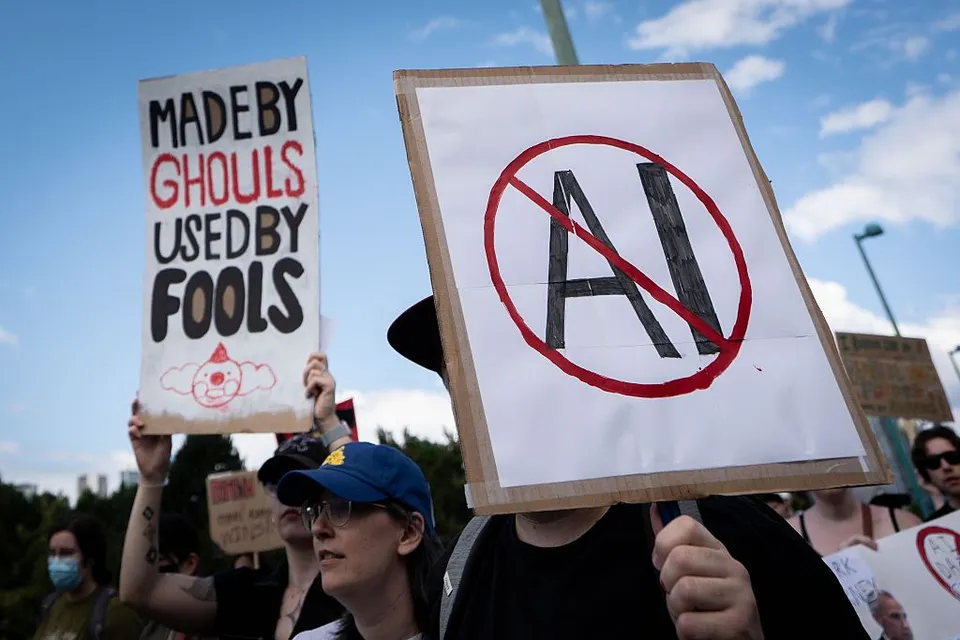
Paris Marx, author of the new book Hyperscale, says the data centre buildout is a central driver of public anger at the tech industry. In an interview with TechCrunch, the journalist described the construction of hyperscale facilities as fundamentally unsustainable and out of step with a livable planet.
Marx points to local pressures as the reason the issue unites people across the political spectrum. Opposition to data centres, he argues, is the most visible part of a wider backlash against the physical presence of tech, including Flock cameras, Meta's smart glasses and Waymo's self-driving cars.
He says companies have responded by promising to fund more electricity infrastructure and to switch to closed-loop cooling, which uses less water but more power. Marx calls that a response to pressure that was working against the firms anyway.
Marx says scale itself creates the problem, contrasting the book's title with its closing chapter, Human Scale. He argues that the demands of generative AI have not delivered the economic or public-service benefits that were promised.
Live updates on NewsFeeds:AIFrom our AI Hub: Is ChatGPT, Claude or Gemini down?, AI API prices, new AI modelsDesk editor: Keshav Aggarwal (accountable for this page; this summary was not edited by hand)
How this was produced: an AI model wrote this summary of Techcrunch’s report, which we credit and link above. Read our Editorial and AI policy. Spotted a mistake? See Corrections.
Not investment advice. Read the risk disclaimer.