 BTC
 ETH
 SOL
 XRP
 BNB
 DOGE
 ADA
 AVAX
 LINK
 TON
 DOT
 LTC
 TRX
 POL
 USDT
 USDC
 SUI
 HBAR
 SHIB
 BCH
 XLM
 NEAR
 APT
 ARB
Casten and Lieu propose cash rewards for prediction market whistleblowers
Two Democratic representatives have introduced a bill offering whistleblowers 10% to 30% of sanctions above $1m in prediction market fraud cases, amid concern over insider trading on platforms such as Kalshi and Polymarket.
Why it matters: Congress is weighing how to police insider trading on prediction markets, and this bill would pay informants to help federal enforcers pursue cases involving confidential government information.

Key points
- Rewards would run from 10% to 30% of monetary sanctions above $1m, paid from the DOJ's Assets Forfeiture Fund.
- Lawmakers cited a trader who allegedly made nearly $1m on US military operations against Iran and a former White House teleprompter operator who made about $100,000 on Trump remarks.
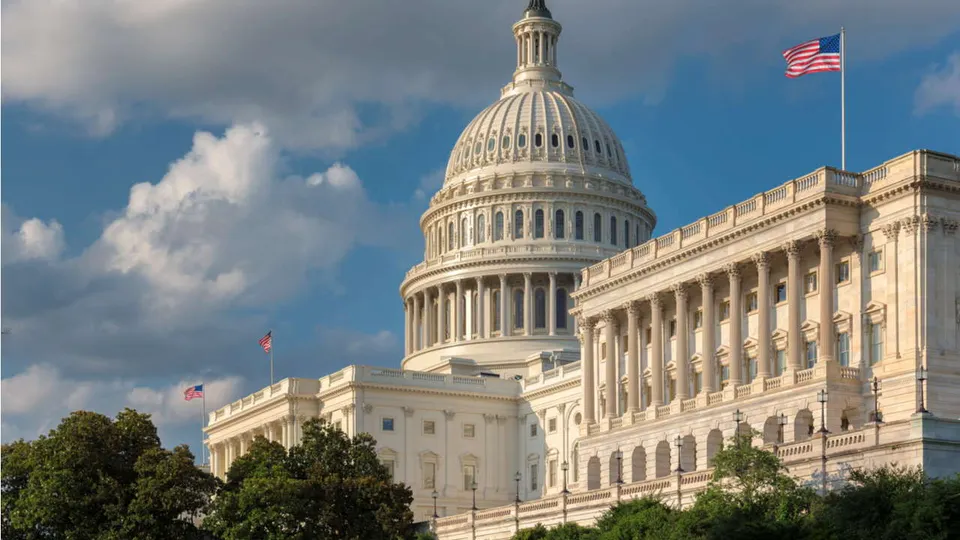
Democratic Reps. Sean Casten and Ted Lieu have introduced legislation to reward whistleblowers who expose insider trading on prediction markets, Bitcoin.com News reports. The Policing Insider Trading in Prediction Markets Act of 2026, introduced on Friday, 20 Nov, would pay 10% to 30% of monetary sanctions in qualifying cases where penalties exceed $1m.
The Department of Justice would run the programme, with awards drawn from its Assets Forfeiture Fund. Whistleblowers could report anonymously through legal counsel, employers would be barred from retaliating against them, and there would be a route to appeal a denied award. The bill targets federal fraud offences tied to prediction markets such as Kalshi and Polymarket.
Casten said it was reprehensible that government insiders profit from advance knowledge of US military strikes, and Lieu criticised insiders exploiting sensitive information.
The CFTC recently suspended several Kalshi markets on topics Trump might mention, while Republican House Oversight Chairman James Comer has investigated Kalshi and Polymarket. The Senate has unanimously passed a separate bill banning contracts on assassination, terrorism, war and individual deaths, which still needs House approval.
What to watch: The bill must advance through Congress before becoming law, while the Senate-passed ban on contracts tied to assassination, terrorism, war and individual deaths still requires House approval.
Live updates on NewsFeeds:RegulationDesk editor: Keshav Aggarwal (accountable for this page; this summary was not edited by hand)
How this was produced: an AI model wrote this summary of Bitcoin.com News’s report, which we credit and link above. Read our Editorial and AI policy. Spotted a mistake? See Corrections.
Not investment advice. Read the risk disclaimer.