Kazakhstan taps flared gas to revive crypto mining after grid crackdown
Kazakhstan is letting miners power operations with flared gas, offering up to 1.3TWh of cheap energy as it seeks to rebuild a mining sector curbed by grid limits.
Key points
- Miners could tap 1.2–1.3TWh from Kazakhstan's total flared gas output, per Daniyar Mubarakov of the Blockchain and Digital Mining Association.
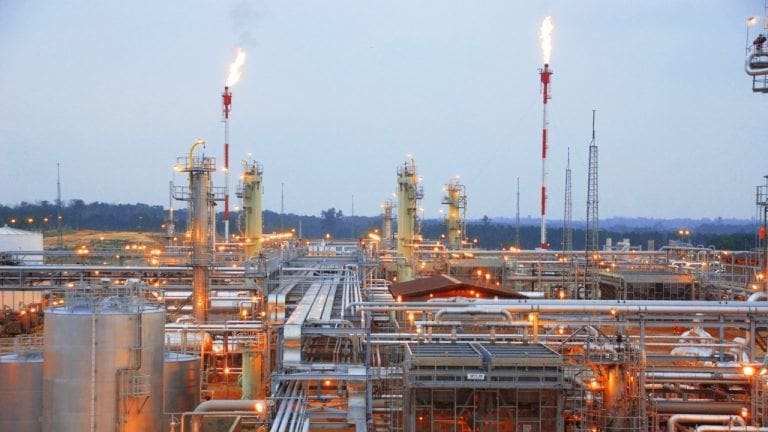
- The Ministry of Energy estimates up to 60 oil fields produce flare gas suitable for powering mining.
- President Kassym-Jomart Tokayev signed a July decree calling for a bill to enable gas use in digital mining.
- Oil companies can sell waste gas to miners instead of paying disposal fees that reach into the millions.
- A legal framework is under development, according to Vice Minister Gizzat Baitursynov, to clarify rules and boost tax revenue.
Kazakhstan is courting crypto miners with flared gas as it tries to revive an industry that was largely pushed out by power restrictions. The government had imposed an auction system to cap electricity used for digital mining, after a 2021 boom strained the country's ageing grid. Bitcoin.com News reports that the new approach aims to match miners with a power source already used elsewhere.
President Kassym-Jomart Tokayev signed a decree in July titled On measures to stimulate and develop the digital asset industry in the Republic of Kazakhstan. It called for a bill creating a mechanism for companies to use gas opportunities in digital mining. Interest among miners has risen since then, according to the report.
Daniyar Mubarakov, head of the Blockchain and Digital Mining Association, told Euro News that miners are ready to buy and install equipment to convert flare gas into usable power. He estimated that Kazakhstan's total flared gas production could yield 1.2 to 1.3TWh. Depending on location, an oil field could supply a medium or large digital centre or bitcoin mining farm.
Flare gas plan
The arrangement is seen by miners and oil companies as mutually beneficial. Miners buy the gas at lower prices, while oil firms earn from selling it and avoid disposal fees that can reach into the millions. Batyr Bauyrzhan, technical director of power solution integrator WES LLP, said the model lets miners lock in power prices for years and avoid grid tariffs that can fluctuate.
The Ministry of Energy estimates that up to 60 oil fields produce flare gas, which the report says leaves ample room for several companies to set up and operate. That scale matters because the previous auction system limited how much power could be used for mining, driving most of the industry abroad.
Gizzat Baitursynov, Kazakh Vice Minister of AI and Digital Development, said a legal framework to clarify the rules for companies is under development. He described the mechanism as highly beneficial for the country, saying it would let the government profit while improving the environment at the same time.
Grid limits and decree
The mining push comes alongside wider state interest in digital assets. The Central Bank of Kazakhstan recently announced it would set up an investment portfolio of up to $350 million, according to the report. For miners, the flare gas plan offers a route back into a country that once ranked among the largest bitcoin mining hubs.