 BTC
 ETH
 SOL
 XRP
 BNB
 TON
 DOT
 LTC
 POL
 HBAR
 NEAR
 ARB
 UNI
Quantinuum says quantum error record sharpens focus on Bitcoin security
Quantinuum reports a record 99.9995% logical fidelity on its Helios machine, a tenfold error reduction since September, as debate grows over quantum risks to Bitcoin cryptography.
Why it matters: Quantum error-correction gains bring closer the reliable machines that researchers say could eventually break Bitcoin's signatures, intensifying calls to prepare crypto networks for a post-quantum world.

Key points
- Quantinuum's Helios machine reached five logical errors per million operations, a tenfold gain on its September record.
- The company says the result is 100 times better than the best published figure from rival architectures, previously reported by Google Quantum AI.
- Quantinuum targets a fault-tolerant Apollo system by 2029, while Google researchers have estimated Bitcoin signature keys could need under 500,000 physical qubits.
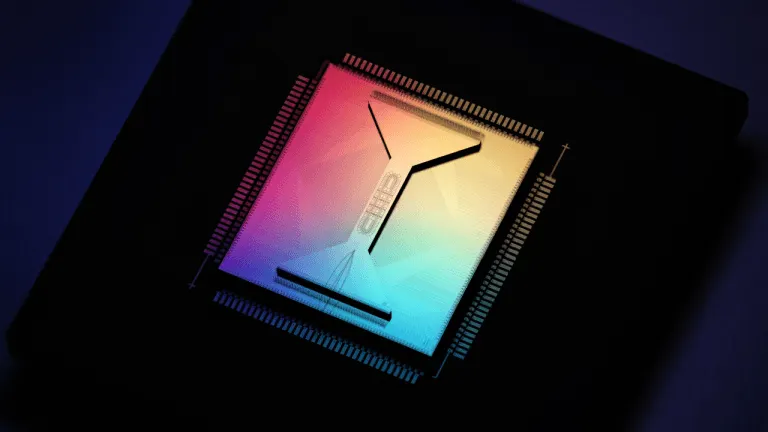
Quantinuum says a quantum error-correction record has sharpened attention on Bitcoin security, after the firm reported a logical fidelity of 99.9995% on its Helios quantum computer. The company said on Monday that the machine produced just five errors per million operations, a tenfold improvement on its own September result. It also claims the figure is 100 times better than the best published result on competing hardware, previously reported by Google Quantum AI.
The advance uses a technique called a colour code, which groups physical qubits into more reliable logical qubits. Quantinuum said errors fell exponentially as protection increased, with each step cutting remaining errors by a factor of 12. CEO Rajeeb Hazra said the firm had crossed the threshold needed for exponential accuracy gains and was reinforcing its path to Apollo, its planned fault-tolerant machine due by 2029. Robin Blume-Kohout of Sandia National Laboratories, who was not involved, called it a significant milestone.
Bitcoin exposure weighed
The result is a benchmark for error correction rather than a working general-purpose quantum computer, and major engineering hurdles remain. It follows Google Quantum AI's magic state cultivation work last week, which cut errors by a factor of 40 at 99.99% fidelity. Google researchers have estimated that breaking Bitcoin's elliptic-curve signatures could take fewer than 500,000 physical qubits, and outlined a scenario in which a private key could be derived from an exposed public key in about nine minutes.
They estimated about 6.9 million BTC could be vulnerable because their public keys are already exposed.
What to watch: Quantinuum is targeting 2029 for Apollo, its planned universal fault-tolerant quantum computer.
Live updates on NewsFeeds:BitcoinDesk editor: Keshav Aggarwal (accountable for this page; this summary was not edited by hand)
How this was produced: an AI model wrote this summary of Bitcoin.com News’s report, which we credit and link above. Read our Editorial and AI policy. Spotted a mistake? See Corrections.
Not investment advice. Read the risk disclaimer.