 BTC
 ETH
 SOL
 XRP
 BNB
 TON
 DOT
 LTC
 POL
 HBAR
 NEAR
 ARB
 UNI
Hyperliquid founder seeks US oversight of trading firms, not blockchain
Jeff Yan told Bloomberg that US regulators should supervise the firms running markets on Hyperliquid rather than the network itself, as Kraken's parent plans a regulated US derivatives venue.

Key points
- Yan said regulation should sit at the layer where controls exist, meaning the deployers operating on the network
- Hyperliquid's perpetual futures platform remains closed to US customers
- Kraken parent Payward plans to offer US investors derivatives using Hyperliquid's technology via a regulated exchange
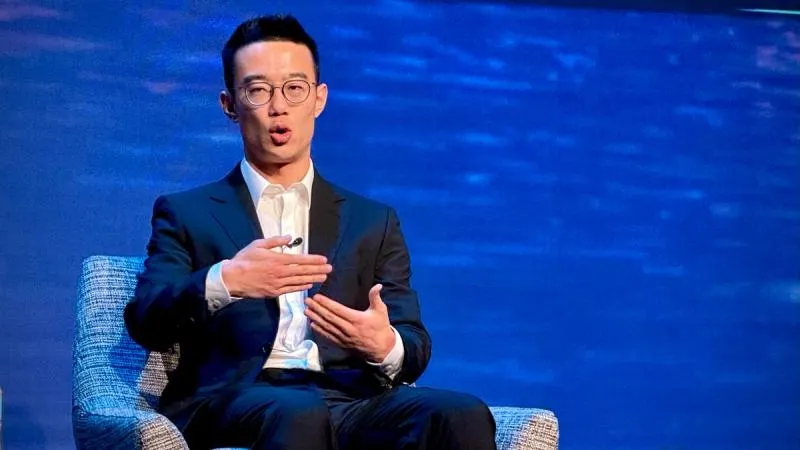
Hyperliquid founder Jeff Yan has called for US oversight of trading firms rather than the blockchain itself, saying regulation should apply to the companies that operate markets on the network. In a Bloomberg interview on Thursday, he argued that firms building on Hyperliquid should carry the responsibility for meeting regulatory requirements, in the way financial firms rely on internet infrastructure without the underlying network being regulated as a broker.
Yan said the regulation sits at the layer where controls exist, and that the deployers are the ones exercising those controls. His proposal would let Wall Street firms build regulated trading businesses on Hyperliquid without the blockchain having to register as an exchange. He added that the technology is not intended to displace existing market operators and could benefit those running markets in a more traditional setting.
Hyperliquid is best known for its perpetual futures trading platform, which remains closed to US customers. Kraken's parent company, Payward, plans to offer US investors derivatives using Hyperliquid's technology through a regulated exchange, which would give the network a CFTC-regulated operator even while its perps market stays unavailable to American users.
Live updates on NewsFeeds:AltcoinsRegulationDesk editor: Keshav Aggarwal (accountable for this page; this summary was not edited by hand)
How this was produced: an AI model wrote this summary of CoinDesk’s report, which we credit and link above. Read our Editorial and AI policy. Spotted a mistake? See Corrections.
Not investment advice. Read the risk disclaimer.