Global crypto ATM count falls to 27,358, a level last seen in 2021
Coin ATM Radar data shows 587 machines removed since July, most of them in the United States, as state-level bans and Bitcoin Depot's bankruptcy reshape the sector.
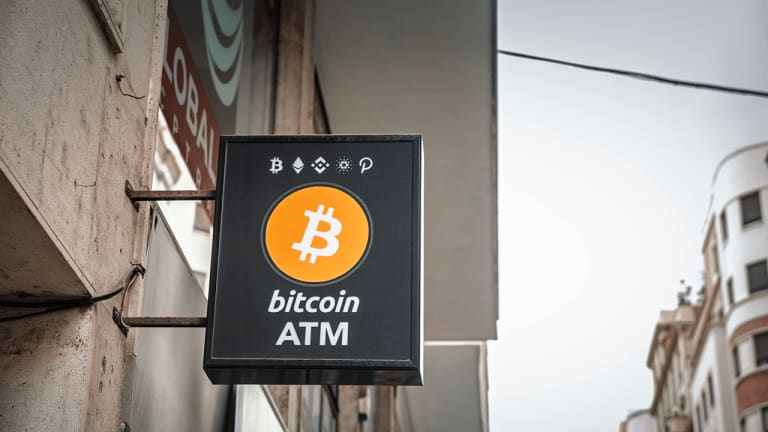
Key points
- The worldwide crypto ATM total stands at 27,358 machines, a level not recorded since 2021.
- 587 machines have been removed since 8 July, with 476 of those losses in the United States.
- 35 US states have passed crypto ATM legislation since 2023; Indiana, Tennessee and Minnesota have banned the machines.
- Vermont extended a moratorium on new kiosks instead of banning existing ones.
- The US still holds 71.4% of global crypto ATMs, with Canada at 13.5% and Oceania at 7%.
The number of crypto ATMs worldwide has fallen to 27,358 machines, a level not seen since 2021, according to data from the aggregator coinatmradar.com cited by Bitcoin.com News. The decline amounts to 587 machines removed since 8 July, with most of those losses recorded in September.
Crypto ATMs work much like ordinary cash machines, but they dispense crypto assets rather than banknotes and charge a fee for the service. Coin ATM Radar maintains an online directory and map of these machines and tracks the global total. Its figures show the network has been shrinking steadily through the year.
The United States accounts for 476 of the machines removed since July, yet it remains the largest market by far. Coin ATM Radar's geographic data puts the US share at 71.4% of all crypto kiosks worldwide. Canada ranks second with 13.5%, followed by Oceania at 7%, almost all of it in Australia at 6.3% and New Zealand at 0.7%. Europe holds 5.6% of the global total, led by Poland at 1.1% and Spain at 1%. Taken together, the US, Canada and Australia represent roughly 91% of all crypto ATMs.
Network shrinks to 2021 levels
State-level legislation is the main driver of the US removals, according to the report. A total of 35 states have enacted laws covering crypto ATMs and kiosks since 2023. Indiana has banned the machines outright, and they are also prohibited in Tennessee and Minnesota, where politicians link them to fraud and scams. Vermont took a narrower route, extending a moratorium on new kiosks rather than closing existing ones.
The report also points to corporate failure as a factor. Losses in the crypto ATM industry before September's larger decline stemmed from Bitcoin Depot's Chapter 11 bankruptcy. Bitcoin.com News had reported in the first week of July that the global number of crypto ATMs had already fallen by 10,763 machines.
The crackdown has drawn criticism from observers who see it as regulatory overreach. While fraud concerns may be justified, critics argue that outright bans penalise legitimate users and hold back innovation. They warn that prohibition could push crypto activity underground, where oversight is weaker and consumers face greater risk.
US states drive removals
A more measured regulatory approach, rather than outright prohibition, could serve the public better, the report suggests, though some states clearly take a different view. The debate over fraud prevention and bans remains unsettled as the global machine count continues to slide.