California bans officials' memecoins from 2027 after TRUMP losses
Governor Gavin Newsom signed a law barring California public officers from issuing memecoins from 2027, citing President Trump's token, whose buyers lost $3.81bn while he gained about $636m.
Key points
- Assembly Bill 2409, signed on Sept. 27, bars California state and local officers and some contract-authority employees from issuing memecoins from Jan. 1, 2027.
- A listing restriction from the same date covers coins issued on or after Jan. 1, 2027 by or with federal, state or local officials, but not Trump's existing token.
- A New York Times analysis using Nansen data estimated nearly 1 million buyers lost a combined $3.81bn through June, while Trump received about $636m.
- Sophisticated traders using automated tools made about $4bn in profits, and roughly two in three buyers were in the red at the end of June.
- Senate Bill 1208 extends money laundering rules to digital assets and lets investigators seek warrants to seize crime-linked crypto, with undistributed assets going to the state Restitution Fund.
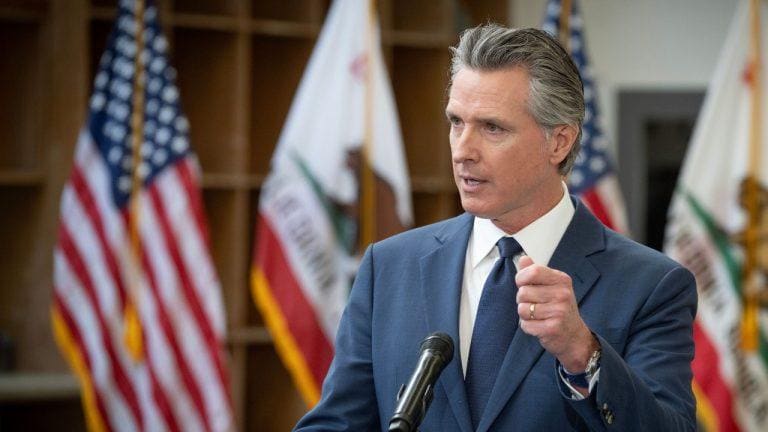
California has banned officials' memecoins under a law signed by Governor Gavin Newsom on Sept. 27, after the TRUMP token drew scrutiny over who profited from it. Assembly Bill 2409 bars California state and local public officers from issuing memecoins starting Jan. 1, 2027. Newsom said no official should profit from their office and that the state is putting stronger protections in place.
The ban covers state and local officers, plus government employees with authority over bids and contracts. It also stops crypto platforms from offering certain memecoins to California residents. That listing restriction applies to coins issued on or after Jan. 1, 2027, if they are offered by or in partnership with a federal official or a state or local public officer. Trump's existing token falls outside the listing provision.
Memecoins are cryptocurrencies whose appeal often centres on internet culture, public figures or online communities, and their prices can swing sharply with attention and speculation. The law does not ban all memecoins. It strictly bars California state and local public officers and certain employees from issuing them.
Ban starts in 2027
Newsom pointed to Trump's token as an example of officials' financial interests. A New York Times analysis drawing on Nansen data estimated that nearly 1 million buyers lost a combined $3.81 billion through June, while Trump received roughly $636 million from the venture. The analysis also found sophisticated traders using automated tools recorded about $4 billion in profits, and roughly two in three buyers were in the red at the end of June.
Newsom's own history includes floating a satirical Trump-themed memecoin during an August 2025 interview. His remarks described a possible project, and the new law will bar Newsom himself from issuing a memecoin from Jan. 1, 2027. A wallet tied to the TRUMP memecoin team moved assets on Sept. 1, ahead of a scheduled release of previously locked tokens, according to the report.
Newsom also signed Senate Bill 1208, which expands California's money laundering provisions to cover qualifying digital asset transactions. It targets fraud networks that operate across borders, where prosecuting an individual suspect can be difficult. Investigators can seek a warrant to seize digital assets linked to crime, and prosecutors must notify potential owners and let them assert claims in court before remaining assets are forfeited and distributed to victims. Undistributed assets go to the state's Restitution Fund for victim services.
TRUMP buyers lost billions
Assembly Bill 2409 carries its own civil enforcement process. California's attorney general can seek a court order stopping prohibited conduct and requiring the surrender of gains. District attorneys, city attorneys and county counsel can bring similar actions to enforce the ban on California state and local public officers and certain employees issuing memecoins.